
ISO Certification for Transportation and Logistics in Kuwait
The transportation and logistics sector plays a central role in Kuwait’s trade‑driven economy, supporting import operations, regional distribution, warehousing, freight forwarding, and last‑mile delivery. As supply chain expectations rise and Kuwait strengthens its position as a Gulf logistics hub, companies must demonstrate reliability, safety, and operational efficiency through internationally recognised standards.
Adopting ISO certification for transportation and logistics enables organisations to improve service quality, reduce operational risks, and meet regulatory and client requirements across land, sea, and air logistics. Finsoul Network Kuwait helps logistics operators build certification‑ready management systems that strengthen performance, support compliance, and drive long‑term growth in Kuwait’s competitive logistics sector.
Growth Drivers of Kuwait’s Logistics and Transportation Industry
Kuwait’s logistics and transportation market is experiencing strong and sustained growth, driven by rising import volumes, expanding e-commerce activity, growing oil and gas sector logistics demand, and significant government investment in port and infrastructure development. The planned development of Mubarak Al-Kabeer Port on Bubiyan Island represents a transformational investment that will significantly expand Kuwait’s maritime logistics capacity and regional trade positioning. ISO certification for transportation and logistics has become a baseline requirement for logistics businesses seeking to serve government entities, multinational corporations, and national oil companies operating across the country.
The market is further supported by Kuwait’s strategic geographic position as a gateway to Iraqi trade routes, growing demand for specialised logistics services including cold chain management and hazardous goods handling, and increasing private sector investment in modern warehousing and distribution infrastructure. Businesses that invest in structured quality management systems through ISO 9001 certification for logistics consistently outperform competitors in tender evaluations, reduce operational errors, and build stronger long-term client relationships. Finsoul Network Kuwait partners with logistics and transportation businesses of all sizes to implement the right certification frameworks for their specific operational scopes and service portfolios.
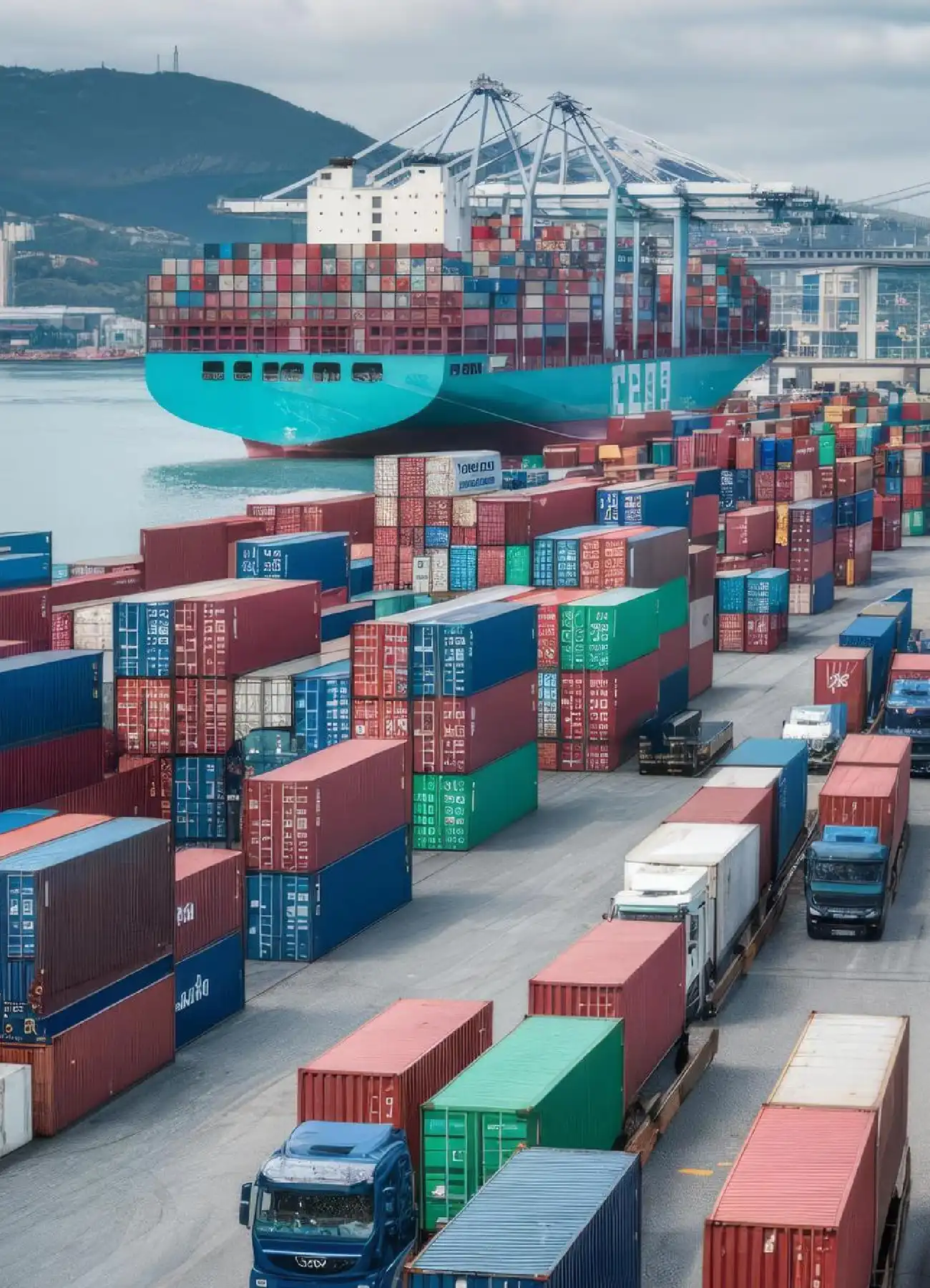
Core Segments of Kuwait’s Logistics and Supply Chain Industry
Kuwait’s logistics and transportation sector covers a broad and interconnected range of service segments, each playing a critical role in the movement of goods and materials across the country and beyond.
Freight Forwarding and Customs Clearance
Freight forwarders and customs clearance agents manage the import and export documentation, regulatory compliance, and customs processing for goods entering and leaving Kuwait. This segment handles billions of dollars in trade annually and requires precise documentation management and regulatory knowledge across multiple government authorities.
Warehousing and Distribution Centre Operations
Modern warehousing and fulfilment centre operations provide storage, inventory management, pick and pack services, and last-mile distribution solutions. Warehousing operators serving retail chains, e-commerce platforms, and government supply chains must maintain strict quality, safety, and inventory accuracy standards throughout all storage and handling operations.
Road Freight and Ground Transportation
Ground transportation companies move goods between ports, warehouses, industrial facilities, and retail distribution points across Kuwait and into neighbouring countries. Fleet management, driver safety, and vehicle maintenance systems are critical operational requirements for road freight operators seeking iso 9001 certification for logistics recognition.
Maritime Shipping and Port Operations
Kuwait’s ports at Shuwaikh and Shuaiba handle the majority of the country’s containerised and bulk cargo imports. Shipping agents, stevedoring companies, and port logistics operators must maintain strict operational quality and safety management systems aligned with ISO certification for transportation and logistics standards to secure port authority approvals and shipping line partnerships.
Specialised Logistics Services
Specialised logistics segments including cold chain management, hazardous goods handling, oil and gas field logistics, and project cargo services require additional technical capabilities and compliance frameworks. Businesses operating in these segments actively pursue iso certification consultancy for logistics sector support to build the management systems required for specialised service certification.
How the Logistics Industry Works in Kuwait
Kuwait’s logistics and transportation sector follows a structured operational framework covering cargo receipt, customs clearance, storage, transportation, and final delivery to clients across all market segments.
| Stage | Description |
|---|---|
Cargo Receipt and Documentation |
Shipments arrive at Kuwait’s ports or airport cargo terminals with full import documentation. Freight forwarders verify shipping documents, coordinate with carriers, and prepare customs clearance submissions aligned with ISO certification for transportation and logistics in the Kuwait documentation standards. |
Customs Clearance and Regulatory Processing |
Kuwait Customs reviews import declarations, applies tariff classifications, collects duties and taxes, and releases cargo for delivery. Customs clearance agents manage this process on behalf of importers, ensuring full compliance with Kuwait’s import regulations and standards. |
Cargo Handling, Inspection, and Storage |
Released cargo is transported to warehouses or distribution centres for storage, inspection, and inventory management. Quality management systems govern cargo handling procedures, storage conditions, and inventory accuracy across all warehousing operations. |
Transportation and Distribution Management |
Goods are transported from warehouses to end destinations by road freight operators using planned routes, documented delivery procedures, and real-time tracking systems. Fleet safety management and driver compliance systems are activated throughout all transportation operations. |
Last-Mile Delivery and Customer Confirmation |
Final delivery to retail outlets, government facilities, or end customers is completed with delivery confirmation, proof of delivery documentation, and customer satisfaction management. Performance data is analysed to support continuous improvement across all service delivery areas. |
Key Regulations Governing Kuwait’s Transportation Industry
Kuwait’s logistics and transportation industry operates within a structured regulatory environment governed by multiple national authorities. Compliance with these frameworks is essential for all logistics businesses operating in the country.
Ministry of Interior — Traffic Department
The Traffic Department regulates road transportation operations, commercial vehicle licensing, driver qualifications, and traffic safety compliance across Kuwait. All road freight operators must maintain valid commercial vehicle registrations and comply with Kuwait’s road transport safety regulations.
Kuwait Ports Authority
The Kuwait Ports Authority oversees port operations, shipping agent licensing, stevedoring approvals, and cargo handling standards at Shuwaikh and Shuaiba ports. Port service providers must meet KPA’s operational and safety requirements to maintain their port operating authorisations.
Directorate General of Civil Aviation — Cargo Division
The DGCA’s cargo division regulates air freight operations, dangerous goods handling at Kuwait International Airport, and cargo agent licensing. Air cargo handlers must comply with IATA dangerous goods regulations and airport security standards alongside iso certification consultancy in kuwait for transport sector quality frameworks.
Kuwait Customs Department
Kuwait Customs enforces import and export regulations, applies tariff classifications, conducts cargo inspections, and manages trade compliance across all entry points. Customs clearance agents and freight forwarders must maintain strict documentation accuracy and regulatory knowledge to operate effectively in Kuwait’s customs environment.
Logistics Quality and Safety Standards in Kuwait
Logistics and transportation businesses in Kuwait are expected to align with internationally recognised management standards and industry-specific operational frameworks. These standards improve service quality, reduce operational risk, and meet the expectations of major clients and regulatory authorities. Iso certification consultancy in kuwait for logistics sector expertise is the most effective pathway to implementing these standards across logistics operations.
ISO 28000 — Supply Chain Security Management
ISO 28000 provides the framework for supply chain security management across logistics operations. It addresses security threats, cargo theft prevention, and supply chain vulnerability management, and is increasingly required by major retail, oil and gas, and government clients across Kuwait’s logistics market.
ISO 45001 — Occupational Health and Safety
Logistics and transportation environments carry significant safety risks including warehouse forklift operations, cargo handling, road transport accidents, and hazardous goods management. ISO 45001 provides a comprehensive framework for hazard identification, risk control, and worker safety management across all logistics operational environments.
ISO 14001 — Environmental Management System
Transportation and logistics operations generate significant carbon emissions, fuel consumption, and packaging waste. ISO 14001 helps logistics businesses manage their environmental impact through structured emissions reduction programmes, fuel efficiency management, and waste minimisation initiatives aligned with growing client and regulatory environmental expectations.
ISO 9001 — Quality Management System
ISO 9001 is the foundational quality management standard for logistics and transportation businesses. It ensures consistent service delivery, process standardisation, customer complaint management, and continuous improvement across all freight forwarding, warehousing, and transportation operations. Iso 9001 certification in kuwait for logistics is the most widely required certification across the sector.
Logistics Industry Challenges in Kuwait
Kuwait’s logistics and transportation sector faces a range of operational, infrastructure, regulatory, and market challenges that require proactive management and structured operational frameworks.
- Port Congestion and Infrastructure Capacity Constraints: Kuwait’s existing port infrastructure operates under significant capacity pressure during peak import seasons. Congestion delays cargo clearance timelines, increases storage costs, and disrupts supply chain planning for importers and distributors across all market segments.
- Road Network Congestion and Last-Mile Delivery Challenges: Kuwait City’s road network experiences significant congestion during peak hours. Last-mile delivery efficiency is directly impacted by traffic conditions, affecting delivery timelines, fuel costs, and customer satisfaction for logistics service providers.
- Customs Clearance Complexity and Documentation Requirements: Kuwait’s import regulations require precise and comprehensive documentation across multiple regulatory authorities. Documentation errors cause cargo delays, demurrage charges, and client dissatisfaction that damage logistics service provider reputations and client relationships.
- Workforce Management and Driver Retention: Kuwait’s logistics sector relies heavily on expatriate drivers, warehouse operatives, and logistics coordinators. Recruiting, training, and retaining a skilled and compliant logistics workforce while managing labour cost pressures is an ongoing operational challenge across the industry.
- Technology Adoption and Digital Transformation: Many logistics businesses in Kuwait are transitioning from manual, paper-based processes to digital tracking, warehouse management systems, and automated customs filing platforms. Managing this transformation while maintaining service continuity requires significant investment and change management capability.

Growth Opportunities in Kuwait’s Logistics Sector
Kuwait’s logistics and transportation sector offers significant growth and business development opportunities for well-positioned, properly certified, and operationally excellent service providers.
- Mubarak Al-Kabeer Port Development: The development of Mubarak Al-Kabeer Port on Bubiyan Island will transform Kuwait’s maritime logistics capacity and regional trade positioning. Logistics businesses that invest in ISO certification for transportation and logistics now are strongly positioned to capture new business generated by this transformational infrastructure investment.
- Iraq Trade Gateway Logistics Growth: Kuwait serves as a primary logistics gateway for Iraq’s massive reconstruction and import trade. Freight forwarders and transporters with strong quality management credentials and cross-border logistics expertise can capture significant business from this growing bilateral trade corridor.
- E-Commerce and Last-Mile Delivery Expansion: Rapid growth in Kuwait’s e-commerce market is driving strong demand for reliable last-mile delivery services and returns management capabilities. Logistics providers with certified quality management systems are better positioned to win contracts from major e-commerce platforms and retail clients.
- Cold Chain and Pharmaceutical Logistics Growth: Growing pharmaceutical imports, food safety requirements, and healthcare supply chain investment are driving demand for specialist cold chain logistics services. Providers with iso 9001 certification in kuwait for logistics and cold chain management capabilities command premium pricing and stronger client relationships.
- Oil and Gas Field Logistics Opportunities: Kuwait’s oil and gas production expansion programmes generate substantial logistics requirements for equipment transportation, hazardous goods handling, and field supply chain management. Certified logistics providers consistently outperform uncertified competitors in KOC and KNPC logistics tender evaluations.

Technology and Innovation in Kuwait's Logistics and Transportation Industry
Technology is transforming logistics operations, supply chain visibility, and service quality management across Kuwait’s logistics and transportation sector.
| Technology | Industry Impact |
|---|---|
Warehouse Management Systems (WMS) |
WMS platforms automate inventory tracking, storage location management, pick and pack operations, and dispatch management. They provide the operational data infrastructure needed to support ISO certification for transportation and logistics in Kuwait quality management requirements across warehousing operations. |
Real-Time Fleet Tracking and Telematics |
GPS tracking and telematics systems monitor vehicle location, driver behaviour, fuel consumption, and delivery progress in real time. They improve fleet safety management, reduce fuel costs, and provide the performance data needed for continuous improvement under ISO 9001 quality management frameworks. |
Customs Clearance Automation Platforms |
Digital customs filing platforms automate import declaration preparation, tariff classification, and regulatory submission processes. They reduce documentation errors, accelerate clearance timelines, and improve compliance management for freight forwarders operating in Kuwait’s customs environment. |
Last-Mile Delivery Optimisation Technology |
Route optimisation algorithms and delivery management platforms improve last-mile delivery efficiency, reduce fuel consumption, and improve customer delivery experience. They support performance management requirements under iso certification consultancy in kuwait for transport sector quality frameworks. |
IoT Cold Chain Monitoring Systems |
Connected temperature sensors and real-time monitoring platforms provide continuous cold chain visibility across pharmaceutical, food, and healthcare logistics operations. They maintain audit trails, generate compliance reports, and support iso certification consultancy in kuwait for logistics sector cold chain quality requirements. |
Logistics and Transportation Industry Risks in Kuwait
Logistics and transportation businesses in Kuwait must proactively identify and manage a wide range of operational, financial, safety, and compliance risks to maintain sustainable and profitable service operations.
Cargo Loss, Damage, and Liability Risk:
Logistics service providers carry significant liability for cargo loss, damage, and delay. Robust cargo handling procedures, warehouse management systems, and documented quality management processes are essential defences against cargo claim exposure and client disputes.
Road Safety and Fleet Accident Risk:
Road transport operations carry inherent accident risk for drivers, third parties, and cargo. Fleet safety management systems, driver training programmes, and vehicle maintenance protocols aligned with ISO 45001 frameworks are critical for managing road transport safety risk effectively.
Regulatory Non-Compliance and Licence Risk:
Failure to meet customs regulations, port authority requirements, or traffic department standards can result in cargo seizures, operating licence suspensions, and significant financial penalties. Proactive compliance management is essential for all logistics businesses operating in Kuwait.
Supply Chain Disruption and Business Continuity Risk:
Logistics businesses are vulnerable to supply chain disruptions including port congestion, customs delays, and transportation network failures. Business continuity planning and diversified operational capabilities help mitigate the impact of supply chain disruption events.
Cybersecurity and Data Integrity Risk:
Logistics operations increasingly rely on digital platforms for tracking, customs filing, and client communication. Cyber threats targeting logistics IT systems can disrupt operations, compromise client data, and result in significant financial and reputational damage for affected businesses.
Future Outlook for Kuwait's Logistics and Transportation Industry
Kuwait’s logistics and transportation industry is positioned for strong long-term growth driven by port infrastructure expansion, growing trade volumes, e-commerce acceleration, and increasing oil and gas sector logistics demand. As the sector matures and international logistics standards become more deeply embedded in Kuwait’s market requirements, the adoption of ISO certification for transportation and logistics in Kuwait will shift from a competitive differentiator to a universal baseline requirement across all service segments.
Finsoul Network Kuwait anticipates rising demand for logistics certification support as businesses recognise that structured quality, safety, and environmental management systems are essential enablers of operational excellence, client retention, and sustainable business growth in Kuwait’s increasingly competitive and demanding logistics market.
Note: The above-mentioned services are provided via network firms if not provided directly
Economic Contribution of Kuwait's Logistics and Transportation Industry
Kuwait’s logistics and transportation sector makes a substantial and wide-ranging contribution to the national economy. It directly employs tens of thousands of drivers, warehouse operatives, freight coordinators, customs agents, and logistics managers while supporting broader industries including port operations, shipping, insurance, packaging, and supply chain technology. The logistics sector enables Kuwait’s entire import-dependent economy to function, facilitating the movement of food, medicines, consumer goods, industrial equipment, and energy sector materials across the country.
As Kuwait advances its trade gateway ambitions and economic diversification agenda under Vision 2035, the logistics and transportation industry will play an increasingly strategic role in national economic development. Finsoul Network Kuwait is proud to support this vital sector by delivering expert ISO certification for transportation and logistics in Kuwait services that help logistics businesses build world-class management systems, meet international standards, and serve Kuwait’s economy with efficiency, safety, and professionalism.
Strengthen Your Logistics Operations with ISO Certification
Achieve ISO Certification for Transportation and Logistics in Kuwait with expert support from Finsoul Network Kuwait. We help logistics companies improve efficiency, safety, and compliance through internationally recognised standards, ensuring reliable operations and long-term business growth.
FAQs
Can freight forwarders and customs clearance agents get ISO certified in Kuwait?
Yes. ISO certification for transportation and logistics in Kuwait applies to all logistics service segments including freight forwarding, customs clearance, warehousing, road transport, and specialised logistics operations of all sizes and scopes.
What does iso certification consultancy in kuwait for logistics sector involve?
Iso certification consultancy in kuwait for logistics sector covers gap analysis, management system design, procedure documentation, staff training, internal audit support, and certification body coordination providing end-to-end implementation support from initial assessment to final certification award.
How does ISO certification support customs clearance operations in Kuwait?
ISO systems ensure accurate documentation and structured logistics processes for customs clearance. This reduces delays, penalties, and improves cargo processing speed.
What is ISO 14001 and why is it important for logistics companies in Kuwait?
ISO 14001 focuses on reducing the environmental impact of logistics operations.It helps lower emissions, fuel usage, and supports sustainable business practices.
Can small transport businesses in Kuwait get ISO certified easily?
Yes, ISO certification is scalable and suitable for small transport and delivery companies. It can be implemented gradually based on business size and operational scope.
How does ISO certification help improve customer satisfaction in logistics?
ISO ensures consistent service quality, timely delivery, and better complaint handling systems. This increases customer trust and long-term business relationships.